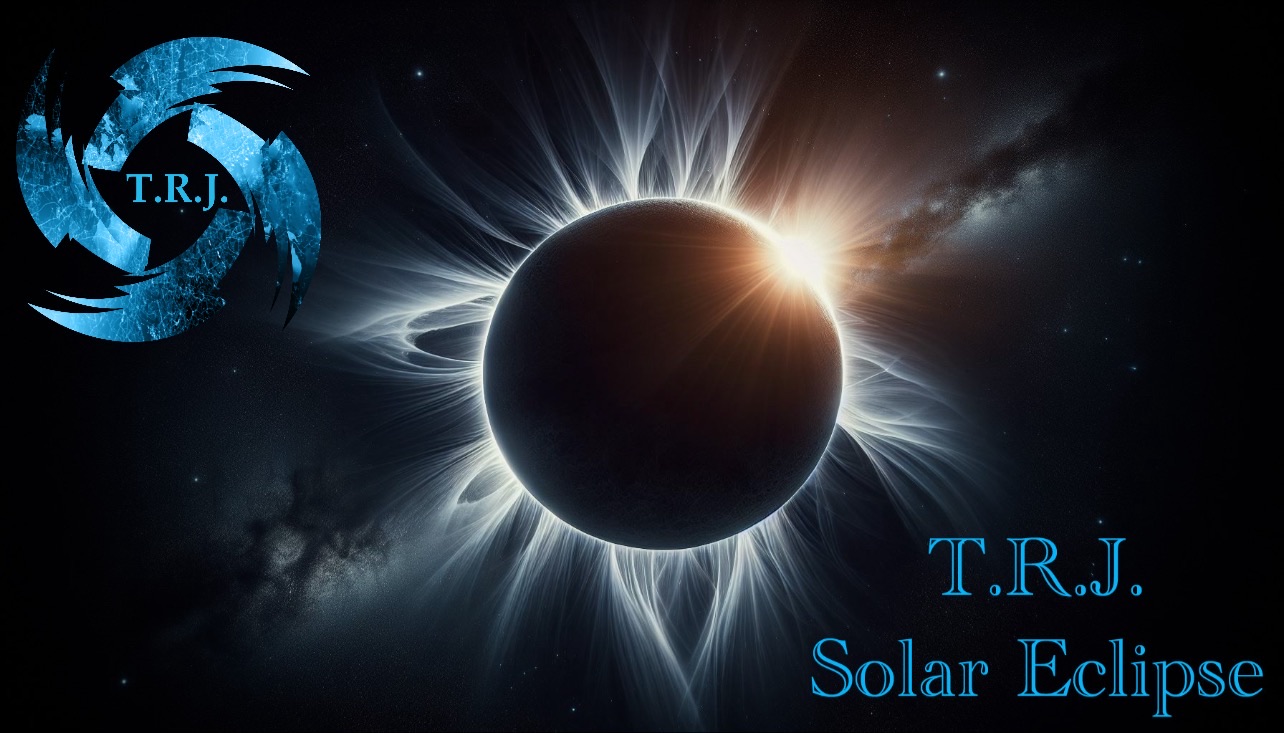
As the much-anticipated date of April 8th approaches, sky gazers in the Northeast are eagerly awaiting the solar eclipse, a celestial event where the moon passes between the Earth and the sun, casting a shadow over our planet. However, weather conditions could play a crucial role in the visibility of this astronomical phenomenon.
Weather Conditions and Visibility
The forecast along the path of totality suggests a mix of conditions. While areas like Burlington, Vermont, and Houlton, Maine, are expected to enjoy mostly clear skies, providing an excellent view of the eclipse, other regions may not be as fortunate. Clouds could obscure the spectacle in parts of Ohio, Pennsylvania, and New York, though the darkness of the totality will still be visible through thinner cloud cover. Just always remember weather patterns always change.
Best Viewing Areas
For those in the Northeast, the best viewing experiences will likely be in locations with higher altitudes and clear skies. Stowe Pinnacle in Vermont, with its wide-open view of the western sky, and the north beach of Lake Willoughby should offer great vantage points. Similarly, the path of totality cruising through northern New England means that residents in certain areas of Vermont, New Hampshire, or Maine are in for a treat.
The Eclipse’s Importance
This solar eclipse is not just a visual marvel; it’s a significant event for several reasons. It’s expected to last longer, the sky will fall darker, and the sun itself will put on a much livelier show due to an active solar cycle. Moreover, it’s an opportunity for millions to step outside their doors to witness one of the most astounding astronomical events of their lives.
Driving Conditions
Driving during the eclipse requires caution. The influx of tourists to prime viewing locations could lead to congested roads, especially just before and after the eclipse. Authorities advise against wearing eclipse glasses while driving and recommend pulling over to a safe location if you wish to observe the event.
Phone Services
With millions expected to capture and share the eclipse on their phones, network providers are preparing for significant increases in cellular and Wi-Fi traffic. While the eclipse itself won’t impact networks, the high volume of users might strain services, similar to what happens during large public events. Emergency calls to 911 should remain a high priority and not be disrupted.
Conclusion
The April 8th solar eclipse promises to be a memorable event, with the potential to bring together communities and individuals in a shared moment of awe. Despite potential weather challenges and logistical considerations, the eclipse offers a rare opportunity to witness the grandeur of our cosmos. So, prepare your eclipse glasses, choose your viewing spot wisely, and get ready to be part of history in the making.
Sponsored • TRJ Ads
Inquiries: contact@therealistjuggernaut.com