
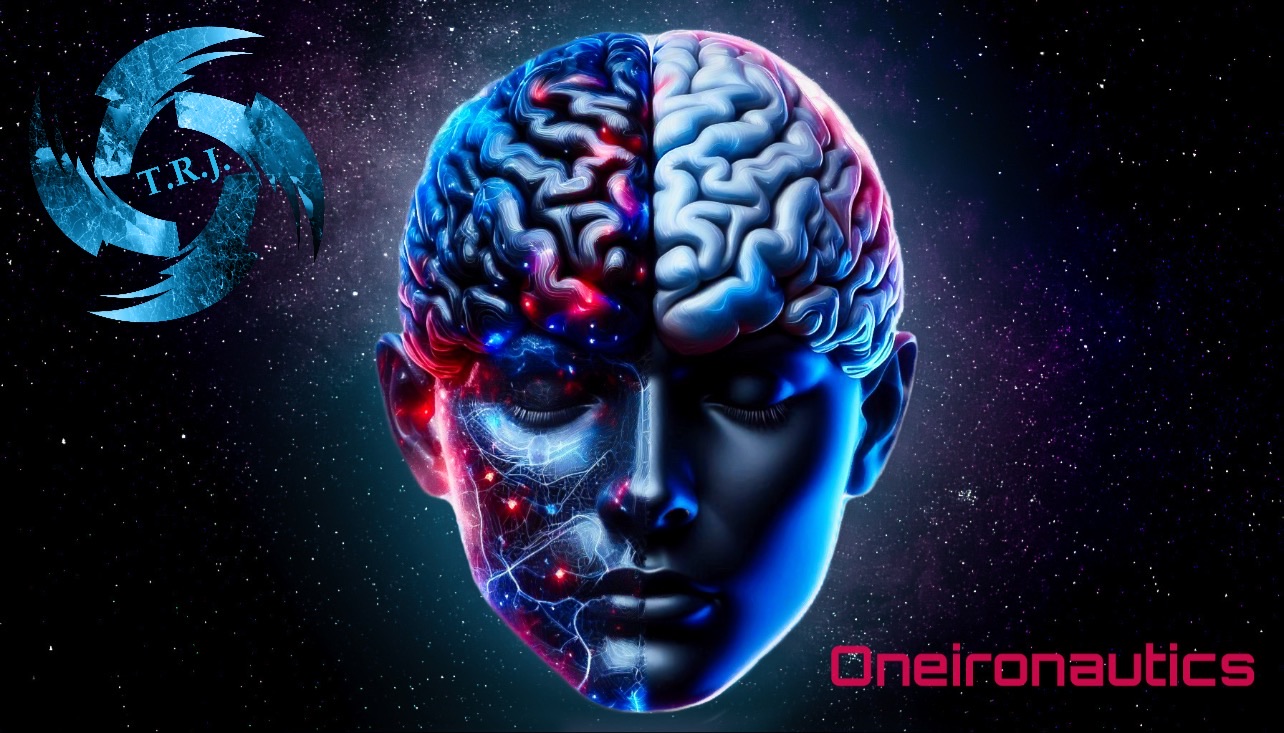
Dreams have long been a source of mystery, inspiration, and self-discovery, shaping human thought, culture, and even scientific breakthroughs. Across civilizations, dreams have been revered as portals to other dimensions, tools for prophecy, and glimpses into the inner workings of the subconscious mind. While most people experience dreams as fleeting, passive experiences, a select few learn to navigate and control them—a practice known as lucid dreaming. This phenomenon has captivated philosophers, spiritual seekers, and scientists alike, leading to an ever-growing body of research dedicated to unlocking its secrets.
This third exploration in the Oneironautics series delves into the extraordinary realm of dream control, where individuals harness the power of their subconscious to manipulate dreamscapes, confront fears, and unlock hidden creativity. By actively engaging with the dream world, lucid dreamers transcend the limitations of waking reality, stepping into a domain where the laws of physics bend, fears can be confronted head-on, and the imagination knows no bounds. As science continues to explore the nature of consciousness and sleep, lucid dreaming emerges as one of the most fascinating frontiers of human experience, offering a unique blend of psychology, neuroscience, and personal transformation. Through disciplined practice, anyone can unlock the door to this profound skill, gaining unparalleled access to the depths of their own minds.
The Science of Lucid Dreaming
Lucid dreaming occurs when a person becomes aware that they are dreaming while still in the dream state. This phenomenon has been widely studied by neuroscientists, revealing that lucid dreaming involves a unique activation of the prefrontal cortex, the brain region associated with self-awareness, logical reasoning, and decision-making. Unlike typical REM sleep, where the mind is passive, lucid dreams provide an opportunity to engage with dream environments actively, transforming them into interactive experiences where the dreamer can take deliberate actions.
Studies using electroencephalograms (EEGs) and functional MRIs (fMRIs) have shown that lucid dreamers exhibit brain activity patterns that closely resemble wakefulness while remaining deeply immersed in the dream state. This heightened state of consciousness within a dream allows for intentional actions, from flying to reshaping landscapes and even interacting with dream characters in meaningful ways. Researchers believe that practicing lucid dreaming can help individuals gain greater control over their subconscious mind, bridging the gap between waking and dreaming cognition.
Techniques to Induce Lucid Dreams
For those eager to explore and master dream control, various techniques can increase the likelihood of lucid dreaming. Some of the most effective methods include:
Reality Testing – Throughout the day, individuals can perform simple reality checks, such as trying to push a finger through their palm, observing digital clocks, or questioning whether they are awake. Over time, this habit carries into dreams, triggering lucidity.
Mnemonic Induction of Lucid Dreams (MILD) – This technique involves repeating affirmations before sleep, such as “I will realize I am dreaming,” to prime the subconscious for lucidity. Visualizing becoming lucid in a dream enhances the likelihood of awareness while dreaming.
Wake-Back-to-Bed (WBTB) – By waking up in the middle of the night and then going back to sleep after 20-30 minutes of wakefulness, individuals can increase their chances of entering REM sleep with heightened awareness. Many lucid dreamers use this method to enter directly into a controlled dream.
Dream Journaling – Keeping a detailed record of dreams upon waking helps recognize recurring themes and increases self-awareness, making it easier to identify when one is dreaming. Over time, patterns emerge that serve as triggers for lucidity.
Wake-Initiated Lucid Dreaming (WILD) – A highly advanced method where individuals transition directly from wakefulness into a lucid dream by maintaining awareness while their body falls asleep. This technique requires deep focus and patience but allows for direct access to the dream world.
External Stimulation – Some researchers suggest that mild external cues, such as flashing lights or audio prompts played during REM sleep, can remind the dreamer that they are dreaming, increasing lucidity.
The Benefits of Dream Control
Mastering lucid dreaming is more than an exciting experience—it offers profound psychological, cognitive, and even therapeutic benefits:
- Overcoming Fears and Nightmares – Many people use lucid dreaming to confront and rewrite distressing nightmares, transforming fear into empowerment. This technique is especially useful for those suffering from PTSD-related nightmares.
- Enhancing Creativity – Artists, musicians, and writers have drawn inspiration from lucid dreams, accessing untapped creativity beyond waking imagination. The dreamscape becomes an endless canvas for experimentation.
- Problem-Solving – Lucid dreaming allows individuals to simulate real-life challenges and explore innovative solutions. Many scientists and inventors throughout history have attributed breakthroughs to dream-inspired insights.
- Emotional Healing – Dreamers can interact with representations of past trauma or unresolved emotions, facilitating therapeutic self-exploration and personal growth.
- Skill Enhancement – Some research suggests that practicing physical activities in lucid dreams, such as playing an instrument, rehearsing sports movements, or even public speaking, can improve performance in waking life by reinforcing neural pathways.
- Spiritual Exploration – Some individuals use lucid dreams as a way to explore existential questions, engage in deep meditative states, or experience profound transcendental moments.
Cultural and Historical Perspectives on Lucid Dreaming
Lucid dreaming is not a modern discovery—various cultures and spiritual traditions have long recognized its potential and incorporated it into their practices:
- Tibetan Dream Yoga – Practiced for centuries, Tibetan monks use lucid dreaming as a meditative technique to transcend illusions, cultivate awareness, and attain higher states of consciousness.
- Ancient Greek and Egyptian Traditions – Philosophers like Aristotle described self-aware dreaming, and Egyptians documented dream practices for divine insight. Some believed dreams were messages from gods or ancestors.
- Indigenous Shamanic Practices – Many indigenous tribes believed in dreamwalking, where shamans could consciously navigate dream realms to gain wisdom, communicate with spirits, or heal the sick.
- Medieval and Renaissance Europe – Alchemists and mystics viewed dreams as gateways to hidden knowledge, with some practicing dream incubation to seek answers to life’s mysteries.
These cultural insights highlight that lucid dreaming is not just a personal phenomenon but a deeply significant practice interwoven with human history, spirituality, and self-discovery.
The Ethical and Philosophical Questions of Dream Manipulation
While lucid dreaming offers incredible opportunities, it also raises ethical and philosophical questions:
- Are we interfering with natural subconscious processes by manipulating dreams?
- Does excessive control over dreams detach individuals from the randomness and mystery that make dreams meaningful?
- Can over-reliance on lucid dreaming as an escape mechanism hinder real-world problem-solving?
- What are the potential consequences of deep subconscious exploration—could we unlock memories or experiences our conscious minds aren’t ready to handle?
Balancing lucid dreaming as a tool for growth while respecting the organic flow of dreams is essential for maintaining a healthy relationship with the subconscious mind.
Conclusion
Lucid dreaming and dream control open the gateway to a deeper understanding of the mind, offering limitless possibilities for exploration, creativity, and healing. As science advances, so too does our understanding of the dream state and its connection to consciousness. By learning to navigate and shape dreamscapes, individuals can unlock a profound inner world that bridges the conscious and unconscious. As we continue our journey through Oneironautics, the mastery of lucid dreaming reminds us that our dreams are not merely passive illusions but a vast, malleable reality waiting to be explored and understood. The ability to control and engage with our subconscious is not just a skill—it is a gateway to untapped potential.
Restore Democracy: End Lobbying and Return Power to the People! Sign Petition Here!


Support truth, health, and preparedness by shopping the Alex Jones Store through our link. Every purchase helps sustain independent voices and earns us a 10% share to fuel our mission. Shop now and make a difference!
https://thealexjonesstore.com?sca_ref=7730615.EU54Mw6oyLATer7a

Sponsored • TRJ Ads
Inquiries: contact@therealistjuggernaut.com







This is an interesting look at lucid dreaming and how it can greatly impact creativity, self-discovery, and personal growth. The mix of science, history, and culture shows that dreams have fascinated people in all societies.
Thank you, Munaeem! I appreciate your thoughtful feedback. Dreams have always been a source of mystery and insight across cultures, and lucid dreaming adds another fascinating layer to self-discovery and creativity. I’m glad you enjoyed the blend of science, history, and cultural perspectives—it really highlights how universal the fascination with dreams has been. Thanks again for reading! I hope you have a great night! 😎