Thank you for reading or listening to The Realist Juggernaut. Independent journalism should be accessible to everyone.
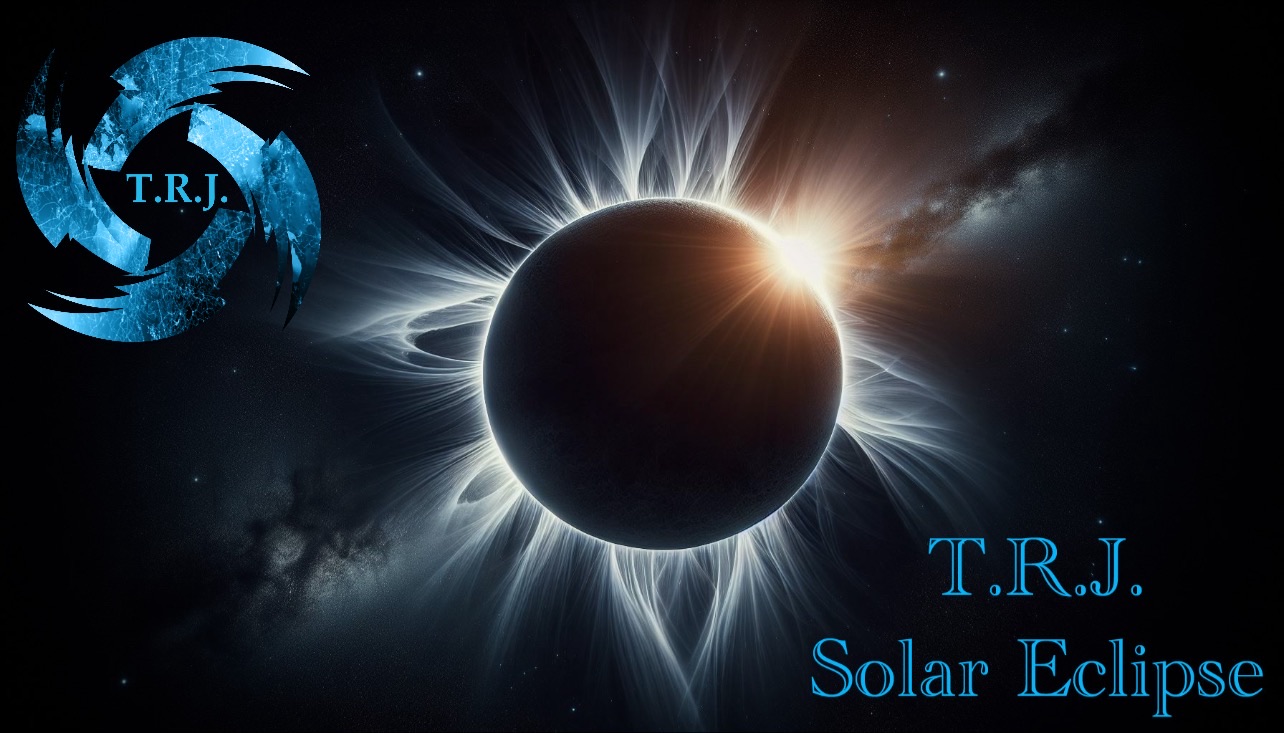
As the moon’s shadow swept across the Earth, bringing a momentary hush of darkness, the solar eclipse became a stage for a series of peculiar occurrences. Here’s a closer look at the enigmatic events that unfolded during this celestial spectacle.
Chasing the Eclipse: Rockets and Research Planes
In a bid to unravel the sun’s enduring mysteries, research planes soared through the skies, tailing the eclipse’s path. These high-altitude flights were not mere pursuits of wonder; they were scientific endeavors aimed at studying the solar corona, the sun’s outer atmosphere, which is usually obscured by the bright light of the sun itself. The eclipse provided a rare opportunity for direct observation, potentially leading to breakthroughs in our understanding of solar phenomena.
Wildlife Wonders: Nature’s Response to Sudden Nightfall
The abrupt transition from day to night didn’t go unnoticed by Earth’s fauna. Reports emerged of birds preparing for sleep or appearing disoriented by the sudden darkness. Crickets, often silent during the day, began their nocturnal symphonies, while other animals exhibited shifts in behavior that left onlookers bemused. This disruption of circadian rhythms highlighted the intricate connection between wildlife and the celestial cycle.
Baily’s Beads: A Glimpse Through Lunar Valleys
One of the most striking visual effects observed during the eclipse was the phenomenon known as Baily’s Beads. Named after the English astronomer Francis Baily, these beads are fleeting spots of light that appear around the moon’s silhouette just before and after totality. They occur as sunlight streams through the valleys and mountains along the moon’s rugged limb, creating a dazzling display akin to a string of luminous pearls.
The Eclipse Soundscapes Project: A Symphony of Shadows
The Eclipse Soundscapes Project, an initiative funded by NASA, sought to document the auditory changes during the eclipse. With a focus on crickets, the project aimed to understand how the sudden darkness affects animal sounds. The collected data could provide insights into how different ecosystems respond to such dramatic environmental changes.
Celestial Observations: A Glimpse of the Sun’s Crown
Astronomers and enthusiasts alike took advantage of the eclipse to observe solar prominences—flames of gas that loop from the sun’s surface. These prominences, along with the corona, are usually invisible against the bright backdrop of the sun but become visible during an eclipse, offering a rare glimpse into the sun’s outer layers.
Sponsored • TRJ Ads
Inquiries: contact@therealistjuggernaut.com