Day
00
–:–
Post Activated
Scroll down to press Like
Zorses: The Enigmatic Hybrids
Introduction
Zorses, scientifically known as Equus zebra, represent a captivating fusion of two distinct equid species: zebras and horses. These remarkable creatures embody a unique blend of physical traits and genetic heritage, bridging the gap between the wild and the domesticated.
Physical Characteristics
- Striped Elegance: Zorses inherit their striking black-and-white stripes from their zebra parentage. These bold markings adorn their bodies, creating a mesmerizing mosaic that sets them apart from ordinary horses.
- Horse-Like Build: Despite their zebra lineage, zorses predominantly resemble horses in terms of body structure. They possess sturdy legs, elongated necks, and flowing manes—characteristics reminiscent of their equine ancestors.
- Color Variations: Zorses exhibit a diverse range of coat colors, from sandy browns to rich chestnuts. Their stripes can vary in intensity, resulting in a captivating spectrum of patterns that captivate onlookers.
Habitat and Distribution
- African Origins: Zorses primarily inhabit the grasslands, savannahs, and open woodlands of Africa. Their presence is most notable in regions where zebras and horses coexist, creating a harmonious blend of ecosystems.
- Captivity and Conservation: Some zorses find refuge in zoos, wildlife sanctuaries, and private collections. However, their numbers remain limited due to their sterile nature—zorses cannot reproduce. Conservation efforts focus on preserving their genetic diversity and raising awareness about these enigmatic hybrids.
Myths and Legends
- Speed and Stamina: Folklore often attributes zorses with extraordinary speed and endurance. Tales depict them as swift steeds capable of outpacing both zebras and horses in daring races across the savannah.
- Magical Properties: Ancient stories weave mystical qualities around zorses. Some cultures believe their stripes grant protection against evil spirits or bring good fortune to those who encounter them.
Scientific Insights
- Hybrid Sterility: Zorses are sterile due to differences in chromosome numbers between zebras (with 44 chromosomes) and horses (with 64 chromosomes). Their inability to reproduce contributes to their rarity, making each zorse a living testament to genetic complexity.
- Genetic Exploration: Researchers study zorses to unravel the intricate interplay of genes from divergent lineages. These hybrids provide valuable insights into equine genetics and hybridization, enriching our understanding of evolutionary processes.
Conclusion
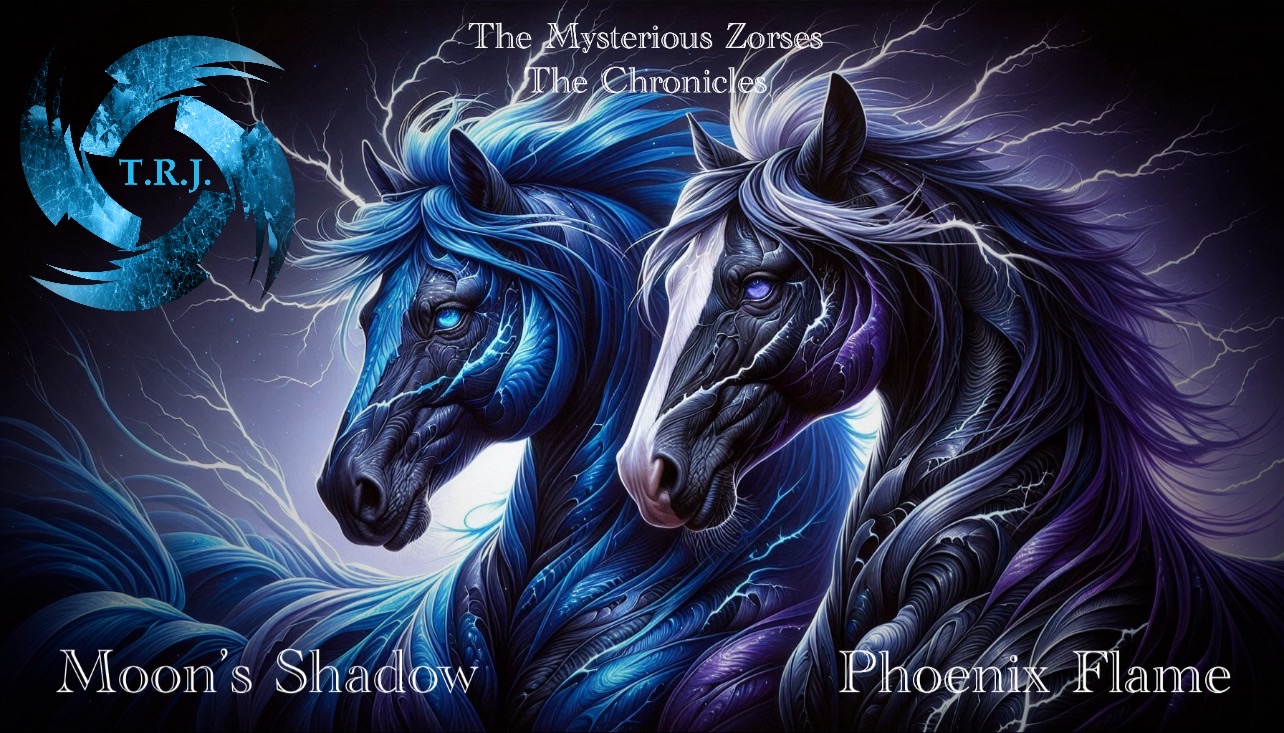
Next time you encounter a zorse grazing on the African plains or gracefully galloping across a wildlife sanctuary, take a moment to appreciate the harmonious blend of zebra mystique and equine elegance. These enigmatic hybrids remind us of the wonders of nature—a living canvas where stripes and hooves converge. I hope you enjoy ‘The Mysterious Zorses – The Chronicles,’ which will be coming soon!
Sponsored • TRJ Ads
Inquiries: contact@therealistjuggernaut.com


⚠ THE ANSWER TO 1984 IS 1776 • AI IS THE ACCELERATOR: MORE AI MEANS MORE OPTIMIZATION, MORE OPTIMIZATION MEANS MORE MONEY AND CONTROL, AND MONEY PLUS CONTROL HELPS ENTRENCH POWER • 1984 WAS THE WARNING • 1776 IS THE RESPONSE • WE ARE NOT YOUR DATA • WE ARE NOT YOUR PATTERN • WE ARE FREE ⚠