Thank you for reading or listening to The Realist Juggernaut. Independent journalism should be accessible to everyone.
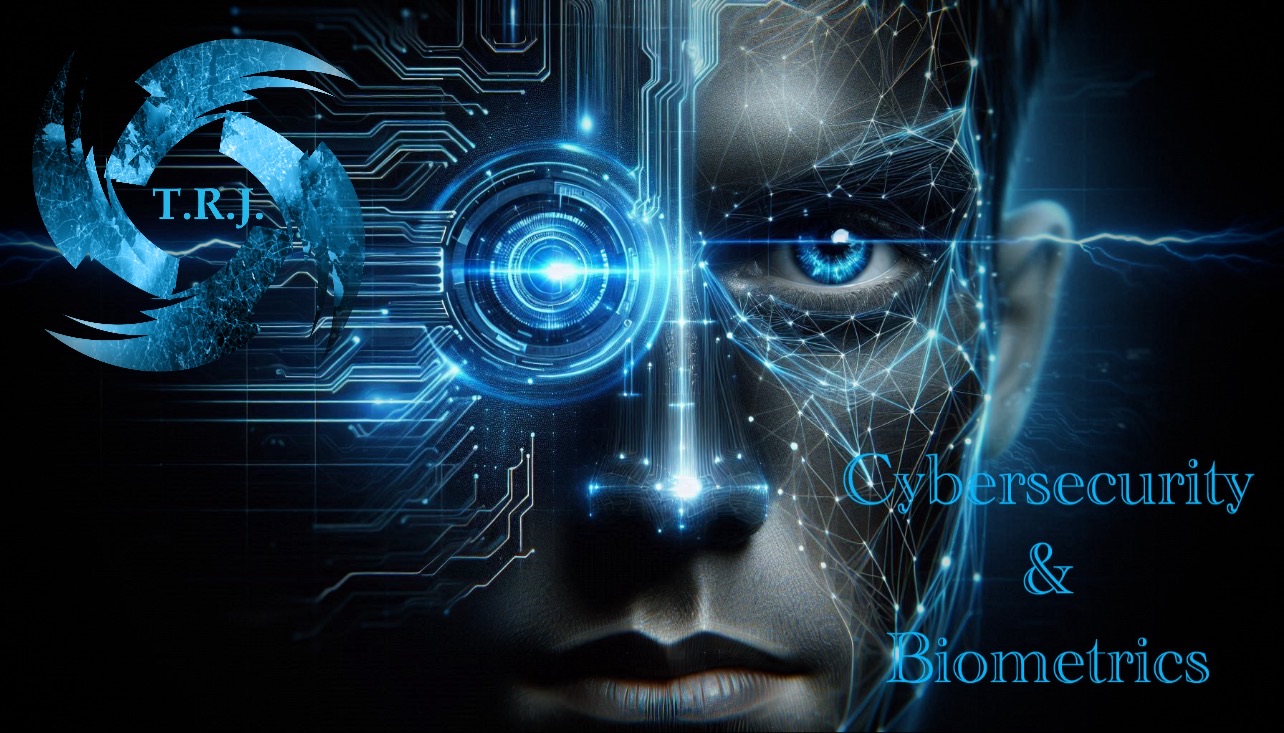
Biometric surveillance is becoming one of the most powerful tools in the arsenal of both governments and private corporations. As technologies advance, the once-futuristic idea of identifying individuals based on unique biological markers like facial recognition, fingerprints, and even DNA has become a stark reality. However, what most people don’t realize is just how deeply integrated these systems are into everyday life, and how little control individuals have over their own biometric data.
This article delves into the hidden layers of biometric surveillance, exposing its rapid rise, its quiet integration into both public and private sectors, and the shocking implications it has for privacy, freedom, and even control over basic human rights. Many of these developments are being kept out of mainstream discourse, making this a critical issue that needs to be uncovered.
What is Biometric Surveillance?
At its core, biometric surveillance involves tracking individuals based on unique physical or behavioral characteristics. This includes:
- Facial recognition
- Fingerprint scanning
- Iris scanning
- Voice recognition
- DNA profiling
- Behavioral biometrics (e.g., typing rhythm, gait analysis)
These methods are hailed as being more secure than traditional identification methods (such as passwords or ID cards), but they also come with far-reaching consequences that extend well beyond convenience and security. With biometric data, once you’re in a system, you can’t easily opt out. Your biological information is irrevocably tied to you, making it the ultimate form of surveillance.
The Global Push: How Biometric Surveillance is Quietly Becoming the Norm
Across the world, biometric surveillance is quietly but steadily being rolled out under the guise of public safety, efficiency, and convenience. The U.S., China, and European countries are at the forefront of this push, and even smaller nations are rapidly adopting these technologies.
China: The World’s Biometric Surveillance Leader
China’s Social Credit System and mass facial recognition networks are often cited as the most extreme examples of biometric surveillance. However, what’s less known is that China has been exporting its biometric surveillance systems to other nations. Countries in Africa, Latin America, and even parts of Europe have adopted Huawei’s facial recognition cameras and Hikvision’s surveillance networks, turning these regions into biometric data-collection hubs.
The U.S. and Europe: Quiet Adoption
While China’s approach is more overt, the U.S. and Europe are implementing biometric surveillance more quietly. In the U.S., airport security systems now routinely scan passengers’ faces without much public outcry. Clear, a private company, offers biometric verification services that many airports use to speed up security checks by scanning irises and faces. What few realize is that once scanned, your biometric data is often stored and shared between agencies and even private corporations.
The European Union is also adopting biometric systems for border control. The European Travel Information and Authorization System (ETIAS) will require travelers entering the EU to provide biometric data such as fingerprints and facial scans, which will be stored in a vast biometric database.
But what’s even more concerning is the increasing use of biometric surveillance in everyday activities—such as making purchases, logging into devices, and even unlocking smart homes—often under the guise of convenience. As these systems spread, the need for public consent has become almost non-existent, especially with the quiet lobbying by private corporations to normalize such methods.
The Hidden Truth: How Biometric Data is Being Exploited
While biometric surveillance is often justified as a way to protect against fraud or terrorism, the reality is far more complex and, frankly, sinister. Behind closed doors, governments and corporations are exploiting biometric data in ways that most people are unaware of.
Private Sector Profiteering
The use of biometric data by private corporations is rapidly expanding, and in many cases, this data is being used to fuel massive data monetization schemes. Companies like Facebook, Google, and Amazon are quietly investing in facial recognition and voice analysis technologies. But what’s not discussed publicly is how they sell access to this biometric data to third parties. For example, retailers may use facial recognition to track in-store customer behavior, linking it to purchase patterns to better target ads.
Similarly, Apple’s Face ID and Google’s voice assistants collect vast amounts of biometric data. Although these companies claim that the data is encrypted, insiders suggest that they still use these biometric markers to build detailed behavioral profiles on users. These profiles are valuable not just for advertisers but for law enforcement agencies, who often request this data without the user’s knowledge through warrants or subpoenas.
Biometric Data Sharing Among Governments
What the public largely overlooks is that biometric surveillance is globalized. Thanks to data-sharing agreements like Five Eyes (a surveillance alliance between the U.S., U.K., Australia, Canada, and New Zealand), biometric data collected in one country can be accessed by agencies in another. If you’ve ever traveled internationally, your biometric data may already be sitting in the databases of multiple governments, even if you’ve never set foot in some of these countries.
Even more concerning is that Interpol, through its Fingerprint Database and DNA Gateway, facilitates biometric data sharing across over 190 countries, ensuring that even minor offenses can result in an individual’s biometric data being flagged and tracked worldwide.
Black Budget Projects and Biometric Surveillance: The Secretive Side of Government Operations
Much like the AI surveillance systems funded by black budgets, there are several classified programs related to biometric surveillance that remain completely hidden from public view. These projects are often financed through black budgets—government funds allocated for secret operations. The biometric data collected through these projects is often used to train sophisticated AI models that predict human behavior.
Project MANTIS: Real-Time Biometric Surveillance
One leaked program, allegedly called Project MANTIS, involves the creation of a real-time biometric surveillance grid. Using a combination of facial recognition, gait analysis, and even heart rate detection, Project MANTIS aims to monitor individuals in real time across vast urban areas. This project is rumored to be running in cities like Los Angeles, London, and Singapore, where experimental surveillance systems have been quietly installed under the cover of smart city initiatives.
What makes MANTIS particularly dangerous is its use of biometric overlays, where multiple biometric markers are combined to form an incredibly detailed profile of a person. For instance, in addition to facial recognition, MANTIS can track individuals based on the rhythm of their walk, their voiceprint in crowded areas, and even their unique heartbeat signature captured by advanced radar technology.
Behavioral Biometrics and Predictive Policing
The use of behavioral biometrics is an even more secretive development. While traditional biometrics focus on static traits (like fingerprints or faces), behavioral biometrics track patterns in how individuals behave. This includes everything from how you type on a keyboard to how you move a mouse or hold your smartphone.
Behavioral biometrics are being quietly tested by law enforcement agencies for predictive policing, where the goal is to predict whether someone is likely to commit a crime based on their behavior. The most troubling part of this is that innocent individuals could be targeted simply because their biometric profile matches that of a suspected criminal. This concept is eerily similar to the pre-crime enforcement seen in science fiction but is slowly becoming a reality through classified programs.
The Unseen Dangers: What Biometric Surveillance Really Means for Society
The rapid spread of biometric surveillance has several long-term consequences that few are talking about. These dangers go beyond the obvious issues of privacy violations and lead into areas of control, exploitation, and even discrimination.
Biometric Control: Who Owns Your Data?
One of the most disturbing aspects of biometric surveillance is the question of data ownership. Who really owns your biometric data? Most people assume it belongs to them, but in practice, once your biometric markers are captured, they often become the property of the government or the corporation that collected them. In the case of private companies, your biometric data can be stored indefinitely and used for purposes you never consented to.
Moreover, the use of biometric data to control individuals is already underway in some countries. For instance, China’s Social Credit System penalizes individuals for engaging in “undesirable” behavior by linking their biometric data to public shaming systems. In the future, this could expand to more subtle forms of control, where governments and corporations use biometric data to manipulate or incentivize certain behaviors.
The Risk of False Positives
Biometric surveillance systems are not infallible. Facial recognition, in particular, has been shown to have error rates that disproportionately affect people of color and women. This leads to the risk of false positives, where innocent individuals are flagged as criminals or threats. In several documented cases, people have been wrongfully arrested or detained based on inaccurate facial recognition results.
Exploitation and Discrimination
As biometric systems become more widespread, they will also become tools for exploitation. Insurance companies, for example, could use biometric health data to determine premiums, while employers could use facial and emotional recognition software to evaluate job candidates or monitor employee productivity. This type of surveillance opens the door to discriminatory practices, where certain groups are unfairly targeted or excluded based on their biometric profiles.
What the Media Isn’t Telling You: The Silence on Biometric Surveillance
One of the reasons biometric surveillance hasn’t sparked more public outrage is the complicity of the mainstream media. Many media outlets are financially tied to the very tech companies developing and profiting from biometric surveillance. Corporations like Google, Amazon, and Facebook are deeply embedded in the media ecosystem through advertising, partnerships, and investments. As a result, reporting on the dangers of biometric surveillance is often minimal or superficial.
Furthermore, government agencies and private corporations alike are engaged in extensive lobbying efforts to ensure that biometric surveillance is normalized in the public consciousness. By positioning it as a necessary tool for public safety or convenience, these entities avoid the scrutiny that would typically accompany such invasive technology.
The media’s silence also extends to the international reach of biometric surveillance. While most reporting focuses on China’s surveillance state, very little attention is paid to how Western democracies are quietly rolling out similar systems, albeit under the guise of “security” or “convenience.” This deliberate framing keeps the public unaware of just how pervasive biometric surveillance is becoming, both at home and abroad.
The Future of Biometric Surveillance: Where Are We Headed?
The future of biometric surveillance holds even more alarming developments that could drastically reshape society as we know it. As technologies become more advanced and interconnected, the ability to track, monitor, and control individuals will become even more precise and far-reaching.
Biometric Surveillance in Everyday Life
In the near future, biometric surveillance will be so embedded in everyday life that people may not even notice it. Smart cities already rely on networks of facial recognition cameras, motion sensors, and other biometric tools to monitor citizens. As these systems become more widespread, biometric surveillance will likely extend to schools, hospitals, shopping malls, and even private homes.
Smart assistants like Amazon’s Alexa or Google Assistant will continue to gather biometric data such as voice prints and emotional tones, linking this information to behavior patterns and personal preferences. This data can then be used to profile individuals for advertising purposes or even shared with third parties for less benign purposes, such as law enforcement monitoring.
Integration with AI and Quantum Computing
The next evolution of biometric surveillance involves the integration of AI and quantum computing. AI-powered biometric systems will become more adept at not only identifying individuals but predicting their behavior based on biometric data. For instance, emotion recognition software could determine if someone is likely to commit a crime based on their facial expressions or body language.
Quantum computing, with its unprecedented processing power, will further enhance the capabilities of biometric surveillance systems. This technology will make it possible to process enormous amounts of biometric data in real-time, allowing governments and corporations to track and monitor large populations with minimal lag time. Quantum computers could also break through current encryption methods, giving governments access to encrypted biometric data that was previously secure.
A World Without Privacy
If biometric surveillance continues on its current trajectory, the concept of personal privacy will become obsolete. Everything from your shopping habits to your medical history will be recorded, analyzed, and stored in databases accessible by governments and corporations alike. This raises significant concerns about freedom of speech, freedom of movement, and autonomy, as people will have to constantly consider the impact of their biometric data being collected and used against them.
As the line between surveillance for security and surveillance for control becomes increasingly blurred, the risk of authoritarianism—even in democratic societies—grows. Governments with access to such extensive biometric data could use it to silence dissent, manipulate public opinion, or even suppress entire populations.
What Can Be Done? Fighting Back Against Biometric Surveillance
Although biometric surveillance is rapidly expanding, there are ways to fight back and protect privacy rights. The key lies in public awareness, legal reform, and technology that empowers individuals rather than controlling them.
Demanding Transparency and Accountability
Governments and corporations need to be held accountable for how they collect, store, and use biometric data. Citizens should demand greater transparency regarding which entities have access to their biometric data, how long it is stored, and how it is shared with third parties.
There is also a need for strict regulations on biometric data collection. Laws should protect individuals from having their biometric data used without consent or for purposes beyond what was originally intended. The General Data Protection Regulation (GDPR) in Europe offers some level of protection, but there needs to be a global movement toward stronger data privacy laws.
Opposing the Spread of Biometric Surveillance in Public Spaces
Citizens must push back against the spread of biometric surveillance in public spaces such as airports, shopping malls, and city centers. This involves pressuring local governments and private companies to limit or eliminate the use of biometric surveillance in these areas. Grassroots movements and privacy advocacy groups have already begun challenging the use of facial recognition in cities like San Francisco and Portland, leading to bans on the technology in some places.
Supporting Alternative Technologies
The development of privacy-enhancing technologies (PETs) is another crucial step in resisting biometric surveillance. These technologies, such as decentralized ID systems and encrypted communication platforms, give individuals more control over their own data. By supporting open-source technologies that prioritize privacy, citizens can begin to take back some of the control that has been handed over to corporations and governments.
Conclusion: The Time to Act is Now
The rise of biometric surveillance is a pressing issue that has far-reaching implications for privacy, freedom, and control over individual rights. The integration of facial recognition, behavioral biometrics, and AI-driven predictive technologies is creating a world where personal autonomy is increasingly compromised. Governments and corporations are rapidly building a surveillance apparatus that few people fully understand, and even fewer have consented to.
Now, more than ever, the public needs to be informed about the dangers of biometric surveillance and the hidden ways it is being used against them. By demanding transparency, pushing for stronger regulations, and supporting technologies that prioritize privacy, individuals can take a stand against the erosion of their freedoms.
We are on the brink of a future where biometric data controls every aspect of our lives—if we don’t act soon, that future may be closer than we think.

Sponsored • TRJ Ads
Inquiries: contact@therealistjuggernaut.com