
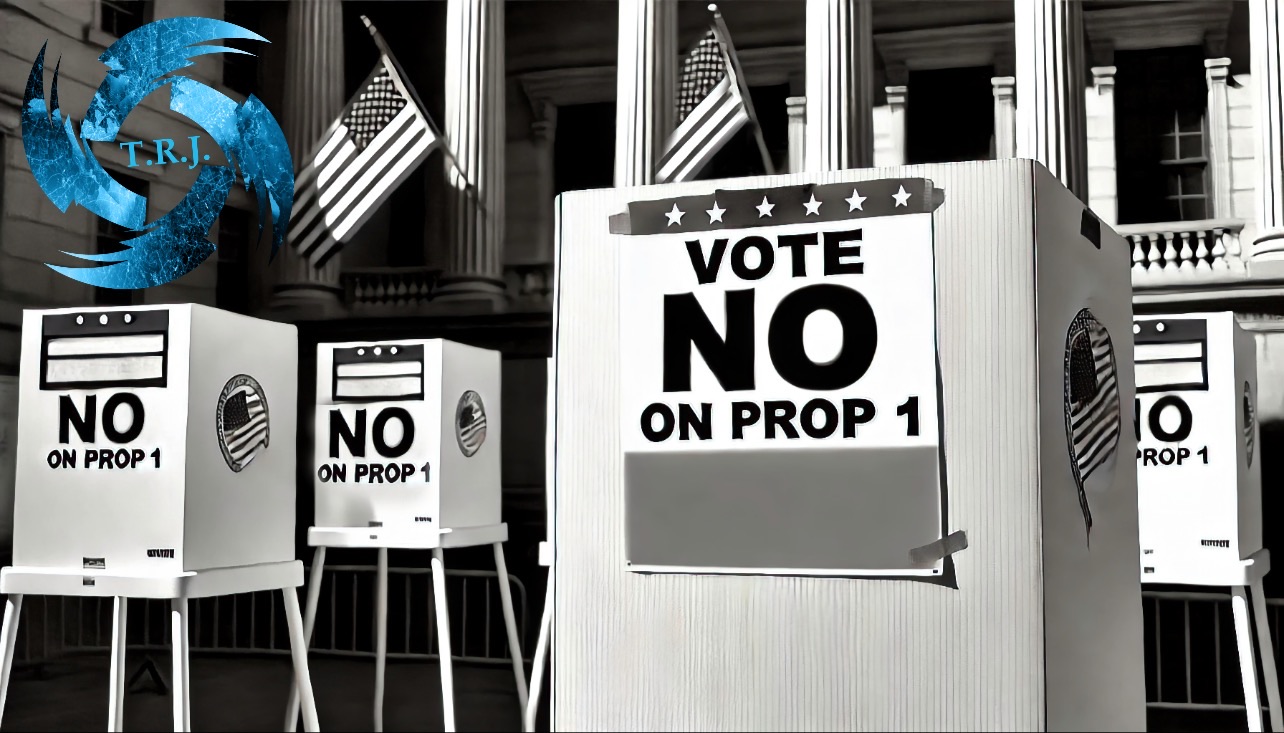
Introduction: Proposition 1, aimed at expanding anti-discrimination protections in New York State, sounds like a step toward equality, but its broad language could have unforeseen consequences. Voting “NO” is essential to ensure that laws are clear, targeted, and protective of all citizens without creating loopholes or confusion.
1. Risk of Expanding Noncitizen Voting Rights One concern with Proposition 1 is its inclusion of protections based on “national origin.” Critics argue that this language could be interpreted to allow noncitizens, including undocumented immigrants, to claim voting rights in state elections. While the measure does not explicitly mention noncitizen voting, the broad wording could pave the way for legal challenges on this issue.
Supporting Point:
- The broad term “national origin” in legal contexts could be used to argue for voting rights extensions to noncitizens under the guise of anti-discrimination.
- Although voting eligibility is governed by separate constitutional provisions, the lack of clarity in this proposition could lead to costly legal disputes.
2. Concerns About Parental Rights and Gender Identity Proposition 1 also adds protections based on “gender identity,” raising concerns about parental rights in situations involving gender-related medical treatments for minors. Some fear that this could lead to state intervention in family decisions regarding such treatments, possibly undermining parental authority.
Supporting Point:
- The proposition’s language may open the door for conflicts between parental rights and state policies regarding medical decisions related to gender identity.
- Without clear guidelines, this could lead to legal battles that create confusion and division among families and institutions.
3. Lack of Focus and Potential for Unintended Consequences Though the proposition aims to prevent discrimination, its sweeping language leaves too much room for unintended legal interpretations. This could lead to expanded protections in areas beyond what voters initially intend, creating legal uncertainty.
Supporting Point:
- The inclusion of multiple categories without precise definitions could lead to costly litigation and stretch state resources thin.
- Propositions should be designed with clear objectives to avoid broad interpretations that may affect unrelated areas of governance.
Conclusion: While Proposition 1 may have noble intentions, its vague language and potential unintended consequences make it a risky proposal. By voting “NO,” you can help ensure that New York enacts clear, focused laws that protect citizens without overstepping boundaries or inviting legal confusion.
Call to Action: Make your voice heard and vote “NO” on Proposition 1. Encourage your community to take a closer look at the potential risks this measure could introduce and stand together for more transparent and carefully crafted legislation.

Sponsored • TRJ Ads
Inquiries: contact@therealistjuggernaut.com







It sure sounds as if whoever drafted this proposition has some hidden agenda in mind. Unfortunately, most people aren’t trained to analyze things like this and will allow signs and TV ads to sway their vote. Great article! Glad we don’t live in New York.
Thank you very much for your insightful comment, Sheila! You’re absolutely right—many people don’t take the time to analyze the full implications of propositions like this. It’s concerning how much influence signs and ads can have on such important decisions. I’m glad the article resonated with you, and yes, be glad you don’t live in NY—it’s just getting worse here, unfortunately. 😎