Thank you for reading or listening to The Realist Juggernaut. Independent journalism should be accessible to everyone.
Written by The Realist Juggernaut Staff
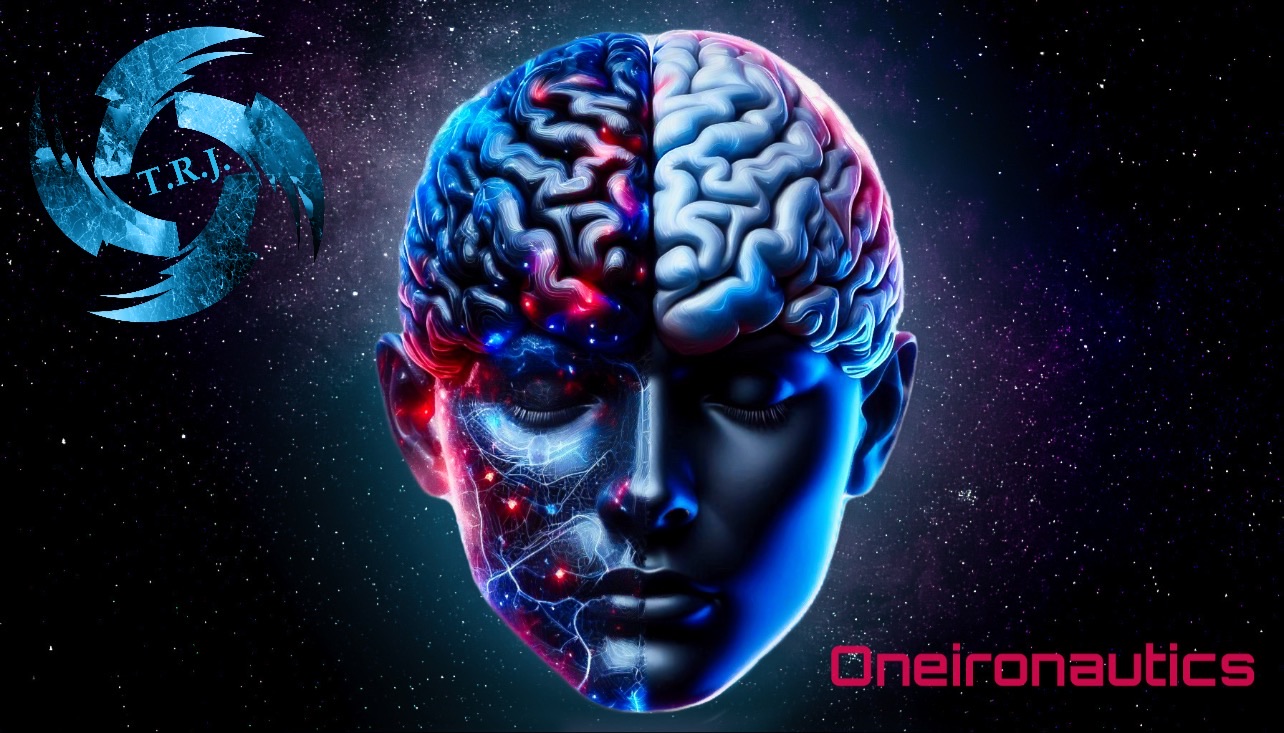
Nightmares have haunted the human mind since time immemorial, weaving tales of fear and unease in the depths of sleep. These vivid nocturnal experiences are far more than fleeting bad dreams; they are powerful, often harrowing, windows into the human psyche, offering profound insights into our deepest fears, anxieties, and unresolved conflicts. Often acting as urgent messengers of the subconscious, nightmares force us to confront emotional wounds that demand attention and healing. They reflect the unspoken turmoil within and provide an opportunity for self-discovery and transformation. In this second exploration of Oneironautics, we venture into the shadowy realm of nightmares, examining their intricate causes, far-reaching effects, and unparalleled potential for growth and understanding.
The Anatomy of a Nightmare
Nightmares, like all dreams, originate in the rapid eye movement (REM) phase of sleep, a period characterized by heightened brain activity and vivid imagery. Unlike ordinary dreams, nightmares are marked by an overwhelming intensity, evoking a cascade of negative emotions such as fear, anxiety, sadness, or even despair. These intense emotional responses often stem from unresolved conflicts, past trauma, chronic stress, or deeply buried fears, creating a vivid and unsettling dream experience that can linger well into waking hours. Additionally, nightmares can trigger physical reactions such as increased heart rate, sweating, or abrupt awakenings, leaving individuals feeling drained and disoriented. Studies suggest that nightmares not only reflect psychological struggles but may also play a role in amplifying them, reinforcing the connection between the subconscious and physical well-being. This dual impact underscores the need for understanding nightmares as both a psychological and physiological phenomenon, bridging the realms of mind and body.
Interestingly, not all nightmares are created equal. Scientists distinguish between two primary types:
Post-Traumatic Nightmares: These are recurrent and vivid dreams linked to traumatic experiences, often accompanying conditions like post-traumatic stress disorder (PTSD).
Idiopathic Nightmares: These occur without an identifiable cause, potentially arising from generalized stress, sleep disorders, or even certain medications.
The Psychological Role of Nightmares
Nightmares, despite their distressing nature, serve a vital psychological purpose. They act as an emotional release valve, enabling the subconscious to process unresolved fears, anxieties, and emotional traumas. For example, nightmares frequently manifest themes such as being chased, falling, or losing control, which are symbolic representations of real-life stresses, insecurities, or suppressed memories. By confronting these fears in the relatively safe space of a dream, individuals can work toward emotional resolution and develop coping mechanisms for their waking lives.
Moreover, nightmares can serve as a critical warning system, signaling deeper psychological issues that demand attention. Recurring nightmares, in particular, often point to chronic stress, unresolved grief, or deeply entrenched anxieties that may otherwise go unnoticed. These recurring themes act as the mind’s persistent reminder of the need for healing and self-care. For this reason, therapists and dream analysts often encourage individuals to delve into the content and emotions of their nightmares rather than dismiss them, viewing them as valuable tools for personal growth and psychological insight.
The Impact of Nightmares on Mental Health
While nightmares can provide insight, they also have the potential to disrupt mental health. Frequent or severe nightmares may lead to conditions such as:
- Sleep Disturbance: Nightmares can fragment sleep, leading to insomnia, fatigue, and decreased cognitive performance.
- Anxiety and Depression: Persistent nightmares can exacerbate feelings of anxiety or depression, creating a vicious cycle of poor sleep and heightened emotional distress.
- Nightmare Disorder: This condition, characterized by frequent and debilitating nightmares, significantly impacts an individual’s quality of life.
Children are particularly susceptible to the negative effects of nightmares due to their developing minds, vivid imaginations, and heightened sensitivity to fear. Nightmares can deeply influence a child’s sense of safety and emotional stability, often manifesting in bedtime resistance or fear of sleeping alone. However, adults are not immune; unresolved trauma, chronic stress, or mental health conditions can make them equally vulnerable. For adults, the recurring nature of nightmares may exacerbate existing anxiety or depression, creating a cycle of poor sleep and emotional distress. This highlights the critical importance of nightmare management as an integral part of maintaining mental and emotional well-being across all age groups.
Techniques for Understanding and Transforming Nightmares
Fortunately, there are techniques to mitigate the impact of nightmares and even transform them into tools for growth and self-discovery. Some effective methods include:
Lucid Dreaming: By becoming aware that they are dreaming, individuals can take control of their nightmares, altering the narrative to create more positive outcomes. Lucid dreaming is particularly useful for overcoming recurring nightmares and fostering a sense of empowerment.
Dream Journaling: Recording nightmares upon waking helps identify recurring themes, symbols, or emotions. Over time, this practice can reveal patterns and insights that aid in addressing underlying issues.
Imagery Rehearsal Therapy (IRT): This therapeutic technique involves rewriting the ending of a nightmare during waking hours, transforming it into a less distressing scenario. By rehearsing the revised narrative, individuals can reduce the frequency and intensity of the nightmare.
Relaxation Techniques: Practices such as meditation, deep breathing, and progressive muscle relaxation can reduce overall stress levels, minimizing the likelihood of nightmares.
Seeking Professional Help: For individuals with severe or recurring nightmares, working with a therapist can uncover the root causes and provide tailored strategies for relief.
The Cultural and Mythological Significance of Nightmares
Across cultures and throughout history, nightmares have been imbued with symbolic meaning. In ancient societies, nightmares were often seen as omens or messages from the spirit world. For instance, in Greek mythology, the god Morpheus was believed to send dreams and nightmares as divine communication. Similarly, the term “nightmare” itself originates from Old English, referring to a mara, or a spirit believed to sit on sleepers and induce bad dreams.
Modern interpretations of nightmares vary, with some viewing them as reflections of cultural fears and societal pressures. For example, nightmares involving natural disasters or apocalyptic scenarios may echo global anxieties about climate change or political instability. These cultural dimensions remind us that nightmares are not just personal phenomena but also collective expressions of the human condition.
Conclusion
Nightmares, though unsettling, hold a profound and multifaceted role within the tapestry of dreams. They compel us to confront our most hidden fears, process deep emotional wounds, and seek resolution for conflicts that permeate both our waking and subconscious minds. Far from being mere disturbances, nightmares are messengers, urging us to address unresolved issues and vulnerabilities with clarity and intention. As we continue our journey into Oneironautics, the exploration of nightmares unveils their transformative potential, reminding us that even the darkest corners of the dreamscape can illuminate paths to healing, understanding, and personal growth. By embracing the lessons nightmares impart, we can navigate these shadowy realms with renewed courage, emerging stronger and more self-aware.
Support truth, health, and preparedness by shopping the Alex Jones Store through our link. Every purchase helps sustain independent voices and earns us a 10% share to fuel our mission. Shop now and make a difference!
https://thealexjonesstore.com?sca_ref=7730615.EU54Mw6oyLATer7a

Sponsored • TRJ Ads
Inquiries: contact@therealistjuggernaut.com