In the grand theater of governance, the stage is set with the promise of societal advancement, where the government is both the playwright and the director, orchestrating the narrative of progress. The plot, however, thickens as the audience, the citizenry, perceives a dissonance between the storyline and the reality that unfolds before them. The script speaks of prosperity and communal well-being, yet the scenes played out on the streets tell a tale of stagnation and unfulfilled potential.
The coffers of the state, swelled by the tributes of taxpayers, stand as a testament to the collective effort of a nation’s workforce. These funds, amassed over time, are the lifeblood of the nation’s infrastructure, the fuel for the engine of public service. Yet, there is a growing sentiment that this wealth, rather than being channeled back into the arteries of society, is being hoarded, guarded by the very entity entrusted with its redistribution.
The roads that should connect us, both literally and metaphorically, crumble and crack, becoming symbols of the disconnect between governmental priorities and the daily experiences of the populace. The parks, once vibrant hubs of community life, now lie forlorn, their swings still, their slides untraveled, as if in silent protest of the neglect they endure. The laughter of children, which should fill the air, is stifled by the absence of spaces dedicated to their joy and growth.
This is not merely a matter of fiscal policy or budgetary constraints; it is a question of the social contract—a philosophical construct that speaks to the very essence of governance. It is the implicit agreement between the governed and those who govern, promising protection, service, and the facilitation of a common good in exchange for the consent to be governed. When the scales of this contract tip, when the trust that cements this agreement erodes, the people are left feeling adrift, taken for a ride to nowhere.
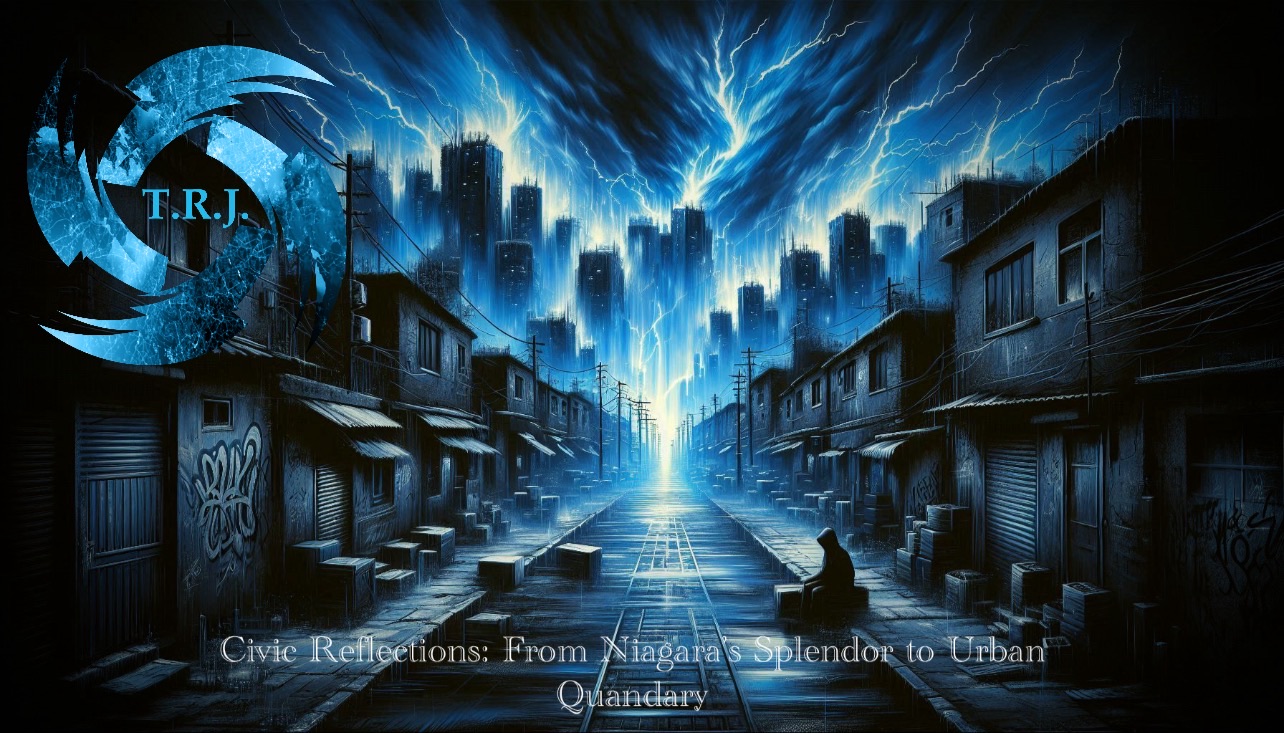
The city of Niagara Falls, NY, once a bustling hub of natural splendor and tourist delight, now echoes with the hushed tones of decline. The transformation is stark, as the vibrant energy that once coursed through its streets and parks has given way to a palpable sense of neglect. The community, which should be united in celebration, especially on occasions like the 4th of July, finds the festivities dimmed, the fireworks sparse—a mere shadow of the jubilation that such a day warrants.
This narrative of Niagara Falls is not an isolated tale; it mirrors the stories of many urban landscapes across the country. These areas, once teeming with life and activity, have gradually become synonymous with the term ‘ghetto’—a word laden with connotations of danger, economic stagnation, and a withdrawal of communal spirit. The streets, which should be safe havens for play and interaction, have become cautionary tales of what happens when areas are left to wither on the vine of progress.
The causes of such urban decay are deeply rooted and complex. They span decades, entwined with historical policies and economic shifts that have left indelible marks on the cityscape. The repercussions of these changes are felt most acutely in the infrastructure and public amenities—or the lack thereof. The roads, parks, and public spaces that should serve as the lifeblood of community interaction instead stand as stark reminders of what has been lost.
Yet, the current state is not a foregone conclusion. It is a call to action, a rallying cry for revitalization and reinvestment. It is a plea for attention not only to the physical structures that require repair but also to the social structures that need nurturing. The revival of such areas calls for a collaborative effort, where government, community leaders, and residents come together to reclaim and restore the vibrancy that once defined them.
Niagara Falls, with its majestic waterfalls and rich history, deserves a renaissance that reflects its potential. It is time for a concerted effort to turn the tide, to transform these spaces from neglected territories to thriving communities once again. The journey ahead is one of renewal and hope, where the collective will of the people can ignite change and rekindle the spirit of their city. For Niagara Falls and cities like it, the path to resurgence is paved with the commitment to forge a brighter, more inclusive future for all who call them home. Currently, the most celebrated aspect of Niagara Falls, NY, remains its iconic waterfalls, a natural marvel that continues to captivate and draw admiration from around the world. Despite the challenges the city faces, the majestic Falls stand as a testament to the enduring beauty and potential that the area holds.
The narrative is clear: the people demand not just transparency but also a tangible return on their investment in their government. They seek not just the maintenance of what already exists but the creation of new avenues for growth, new playgrounds for the next generation, and new roads that lead to a future bright with possibility.
It is a dialogue that must continue, a conversation that must not wane until the answers are found and the actions taken reflect the will and the welfare of the people. For in the end, it is the people who are the true architects of their destiny, and it is their voice that must guide the hand that wields the power of governance.
Sponsored • TRJ Ads
Inquiries: contact@therealistjuggernaut.com