Thank you for reading or listening to The Realist Juggernaut. Independent journalism should be accessible to everyone.
Throughout history, dreams have been seen as more than mere nighttime hallucinations. They have been regarded as sacred messages from the subconscious, gateways to other realms, and even glimpses into possible futures. Ancient civilizations placed great importance on dreams, using them as tools for prophecy, healing, and divine communication. The Egyptians meticulously recorded their dreams on papyrus, believing them to be messages from the gods, while the Greeks sought guidance from the Oracle of Delphi, interpreting dreams as glimpses into destiny. Indigenous cultures worldwide have long held dreams as sacred, using them in vision quests and spiritual journeys to seek wisdom and connect with ancestral spirits.
As humanity progressed, so too did our understanding of dreams. The advent of psychology brought new interpretations, revealing how dreams act as a mirror to our subconscious, processing emotions, fears, and desires through complex symbolic language. Sigmund Freud viewed dreams as windows into repressed thoughts and hidden anxieties, while Carl Jung expanded upon this by introducing the concept of the collective unconscious—a shared psychological reservoir of symbols and archetypes that manifest in our dreams regardless of culture or background.
Modern neuroscience continues to unravel the significance of dreams, suggesting that they play a crucial role in memory consolidation, problem-solving, and emotional regulation. Some researchers propose that dreams are not random but serve as a vital mechanism for mental and emotional well-being, helping us process unresolved conflicts and adapt to new experiences.
From ancient temples to modern laboratories, the exploration of dreams remains one of the most intriguing aspects of human consciousness. As we delve deeper into Oneironautics, we begin to understand that our dreams are not just passive experiences but powerful narratives woven by the subconscious, offering insight into our innermost thoughts, emotions, and even our place in the universe
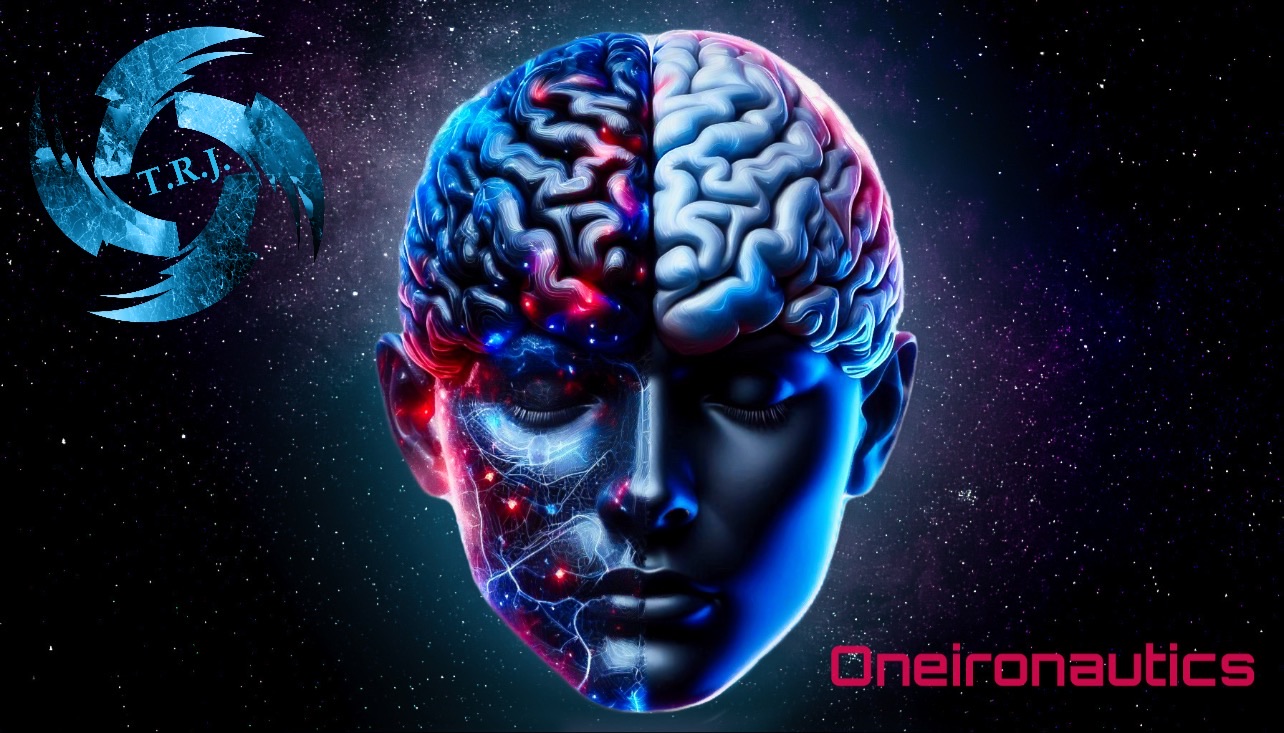
In this fourth exploration of Oneironautics, we delve deep into the world of dream symbols and their meanings, unraveling how these enigmatic images, emotions, and narratives shape our waking lives, guide our decisions, and influence our subconscious mind in ways we are only beginning to comprehend. By examining both historical interpretations and modern scientific perspectives, we uncover the hidden language of the dreaming mind.
The Nature of Dream Symbolism
Dreams communicate in symbols, bypassing literal language to convey messages in a deeply personal yet universally recognizable way. These symbols serve as the subconscious mind’s method of expressing fears, desires, conflicts, and unresolved emotions. Some psychologists argue that these symbols are not random but carefully crafted by the mind to encode complex emotional states into visual metaphors.
Throughout history, various schools of thought have attempted to decode the meaning of dream imagery, leading to different interpretations shaped by cultural beliefs, personal experiences, and psychological theories.
- Freudian Interpretation – Sigmund Freud, the pioneer of psychoanalysis, believed that dreams were expressions of repressed desires, often masked through symbolic representation to bypass the mind’s defense mechanisms. He argued that understanding dream symbols could reveal hidden thoughts and suppressed emotions.
- Jungian Perspective – Carl Jung took a different approach, seeing dreams as a bridge to the collective unconscious, a shared reservoir of human experiences and archetypes. According to Jung, recurring dream symbols—such as the hero, the shadow, or the wise old man—were universal representations of inner psychological processes.
- Modern Neuroscientific View – Today, neuroscientists view dreams as a way for the brain to process information, organize memories, and integrate emotions. Some researchers suggest that dream symbols are a product of neural firing patterns, shaped by past experiences and current emotional states.
Regardless of the approach, one thing remains consistent—dreams are rarely random. They are crafted by the subconscious, often conveying hidden truths about our thoughts, fears, and desires. Understanding their symbols can provide deep insights into our waking life.
Common Dream Symbols and Their Meanings
While dream interpretation is highly personal, certain symbols appear repeatedly across different cultures and individuals. These recurring images often hold profound meaning, serving as markers of emotional or psychological states. Some of the most commonly reported symbols include:
- Water – Represents emotions, transformation, or the subconscious mind. Calm waters suggest peace and clarity, while turbulent waters may indicate inner turmoil or unresolved stress.
- Flying – Often a symbol of freedom, ambition, or transcendence, but struggling to fly may reflect insecurity or a fear of failure.
- Teeth Falling Out – Commonly linked to anxiety, fear of aging, or concerns over self-image and communication struggles.
- Being Chased – A universal sign of avoidance or fear, symbolizing unresolved conflicts, external pressures, or inner demons we are unwilling to confront.
- Snakes – A dual-symbol in many cultures; can represent wisdom, transformation, and healing or, conversely, deceit and hidden threats.
- Bridges – Represent transitions, changes, or the need to move from one stage of life to another. The state of the bridge—sturdy or crumbling—can indicate how one feels about their personal journey.
- Doors – A powerful metaphor for opportunities, choices, or barriers; an open door may symbolize new beginnings, while a locked door suggests obstacles or repressed emotions.
Dreamers should not rely solely on universal meanings but rather consider their personal experiences, emotions, and current life circumstances when interpreting these symbols. Each dreamer’s unique history, beliefs, and subconscious associations influence how a symbol manifests in their dreams. For instance, while a snake may represent danger to one person, it could symbolize wisdom and transformation to another, depending on their cultural background or personal experiences.
Dream interpretation is deeply personal and often shaped by factors such as childhood memories, relationships, fears, aspirations, and even the media one consumes. A dream about being chased, for example, might reflect external pressures for one person but symbolize internal avoidance for another. Similarly, dreaming of flying may represent liberation and ambition in some cases, while in others, it could indicate escapism or a longing for control in a chaotic life.
Understanding the context and personal significance of symbols is essential for accurate interpretation. By reflecting on emotional responses, recurring themes, and life circumstances, dreamers can develop a deeper, more meaningful understanding of their subconscious messages, transforming dreams into valuable tools for self-awareness and personal growth.
Personalizing Dream Interpretation
Since dream symbols are subjective, developing a personalized approach to interpretation is essential for meaningful insights. The following techniques can help uncover the deeper meanings behind one’s dreams:
Keeping a Dream Journal – Recording dreams immediately upon waking helps recognize recurring symbols and emotional themes over time. Over weeks and months, patterns begin to emerge, revealing the subconscious mind’s preoccupations.
Considering Emotional Context – Dreams are not just visual—they are emotional experiences. Paying attention to how a dream made you feel is often the key to understanding its significance.
Analyzing Recent Experiences – Dreams frequently process unresolved emotions, conflicts, or experiences from waking life, so looking at what’s happening in daily life can clarify dream symbolism.
Engaging in Active Imagination – Jungian psychology encourages interacting with dream symbols through visualization and meditation, allowing the conscious mind to dialogue with subconscious imagery.
Exploring Cultural and Mythological Connections – Many dream symbols have deep historical and mythological significance, which can offer additional layers of interpretation. Studying ancient and cultural associations of symbols can provide a richer understanding of personal dreams.
The Role of Lucid Dreaming in Understanding Dream Symbols
Lucid dreaming presents an extraordinary tool for exploring dream symbols in real time. Unlike regular dreaming, where symbols are experienced passively, lucid dreamers can consciously engage with them, seeking clarity and deeper meaning.
For example:
- If a dreamer frequently encounters a locked door, they can attempt to unlock it while lucid, revealing what lies beyond and uncovering potential subconscious blocks.
- If a dream character delivers an ambiguous message, a lucid dreamer can ask questions, gaining direct insight from the subconscious.
- Instead of fleeing from a frightening figure, a lucid dreamer can confront it, often finding that the perceived threat transforms into an unexpected source of wisdom.
By using lucid dreaming techniques, individuals can actively participate in their subconscious narratives, turning dreams into a powerful tool for self-exploration and growth.
Dreams as a Path to Self-Discovery
Dreams are more than fleeting illusions; they are an ongoing dialogue with the self, an intricate language spoken by the subconscious that we are only beginning to decipher. Whether serving as warnings, affirmations, reflections of inner struggles, or creative musings, dreams offer a deeply personal and profound means of self-discovery. They provide an unfiltered glimpse into our fears, aspirations, and emotional landscapes, often revealing truths that remain obscured in waking life.
By cultivating awareness of dream symbols and their meanings, we gain valuable insights that can shape our personal development, decision-making, and emotional well-being. Understanding the subconscious messages embedded in our dreams allows us to recognize unresolved conflicts, process suppressed emotions, and even uncover hidden aspects of our personalities. Through the lens of Oneironautics, the ability to navigate and decode dreams becomes an extraordinary journey into the subconscious, bridging the gap between the seen and unseen realms of the mind. It is a process of self-exploration that, when approached with curiosity and openness, can lead to profound transformation and a deeper understanding of the self.
Conclusion
Dreams are encrypted messages from the subconscious, filled with symbols waiting to be deciphered. They serve as a bridge between our waking thoughts and the hidden depths of our minds, offering a unique glimpse into our inner world. Whether they come in the form of vivid narratives, abstract imagery, or recurring themes, dreams hold the potential to provide insight into our desires, fears, and unresolved emotions.
By understanding their deeper meanings, we unlock the potential to enhance our self-awareness, confront our hidden fears, and harness the wisdom our minds offer each night. Dreams allow us to process experiences, problem-solve creatively, and even connect with suppressed aspects of our psyche. They act as a personal guide, revealing lessons and truths that may not be easily accessible in our conscious state.
As we continue our exploration into Oneironautics, decoding dreams reveals that the answers we seek in waking life may already reside within us—woven into the language of dreams, waiting to be uncovered. With greater awareness and intentional practice, we can begin to understand the messages our dreams convey, empowering ourselves to navigate both the dream world and waking reality with deeper clarity and purpose.
Restore Democracy: End Lobbying and Return Power to the People! Sign Petition Here!


Support truth, health, and preparedness by shopping the Alex Jones Store through our link. Every purchase helps sustain independent voices and earns us a 10% share to fuel our mission. Shop now and make a difference!
https://thealexjonesstore.com?sca_ref=7730615.EU54Mw6oyLATer7a

Sponsored • TRJ Ads
Inquiries: contact@therealistjuggernaut.com