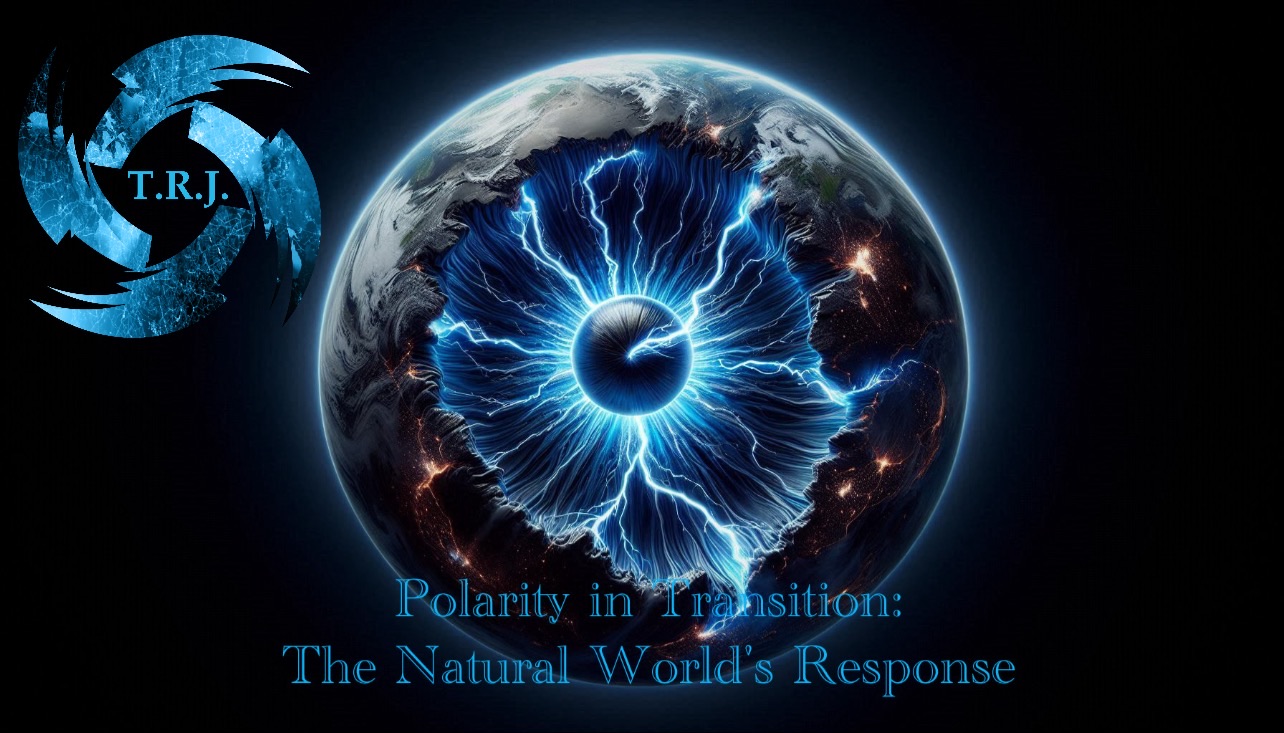
As the Earth’s magnetic field undergoes a reversal, a process that unfolds over millennia, the natural world braces for a period of profound transformation. The magnetic field, which has long served as a compass for migratory birds, a shield for all terrestrial life against solar radiation, and a silent sentinel guiding the rhythms of nature, enters a state of flux. During this time, the magnetosphere’s orientation may shift, exposing more of the Earth to cosmic radiation, which could lead to changes in the concentration of ozone in the atmosphere.
Birds, with their innate ability to navigate using the Earth’s magnetic cues, might find their migratory paths disrupted. The weakening of the magnetic field could result in disorientation and the potential for migratory patterns to be altered, leading to ecological imbalances as birds fail to arrive at their breeding or feeding grounds at the customary times. This disruption could cascade through the food web, affecting predators and prey alike.
Other animals, such as sea turtles and certain species of fish that rely on geomagnetic fields for navigation, could also experience challenges. The alteration in the Earth’s magnetic signature might lead them astray, impacting their breeding cycles and survival rates. The ripple effects of these changes could be felt throughout marine ecosystems, as the delicate balance of predator-prey relationships and reproductive cycles is disturbed.
For humans, the implications of a magnetic field reversal are multifaceted. While our species has endured reversals in the past, the modern world presents new vulnerabilities. A weakened magnetic field means increased exposure to solar and cosmic radiation, which could have health implications, including increased rates of cancer due to higher levels of ultraviolet radiation penetrating our atmosphere. Additionally, the technological infrastructure that underpins our society—satellites, power grids, and communication systems—could be at risk from intensified solar storms and geomagnetic disturbances.
The ozone layer, which absorbs the majority of the sun’s harmful ultraviolet radiation, could be damaged by the severe weakening of the Earth’s magnetic field during the reversal. This damage may lead to drastic changes in weather patterns, potentially contributing to environmental crises and the extinction of vulnerable species. Historical records suggest that past magnetic field reversals may have been linked to mass extinctions and shifts in climate patterns.
As the magnetic field’s strength ebbs, the planet’s natural defense against the sun’s charged particles diminishes, potentially leading to a cascade of environmental changes. The increased radiation could affect the growth and development of plants, altering photosynthesis rates and impacting agricultural productivity. The interconnectedness of Earth’s systems means that changes in one area can have far-reaching consequences, affecting food security and the natural habitats that countless species depend on for survival.
In the face of such a magnetic reversal, the resilience of nature will be tested. Species that can adapt to the changing conditions may thrive, while others may struggle to survive. The evolutionary pressures exerted by this geophysical event could lead to the emergence of new behaviors and traits, as life on Earth seeks to navigate the altered magnetic landscape.
As we contemplate the potential effects of a magnetic field reversal on nature, it is a reminder of the intricate dance between the Earth’s core and the surface life it sustains. The story of this profound shift is one of adaptation and resilience, of a planet in transition, and of the myriad forms of life that call it home, each playing their part in the grand symphony of Earth’s evolution.
Sponsored • TRJ Ads
Inquiries: contact@therealistjuggernaut.com